Unlocking Subsurface Resources: The Science and Impact of Horizontal Drilling
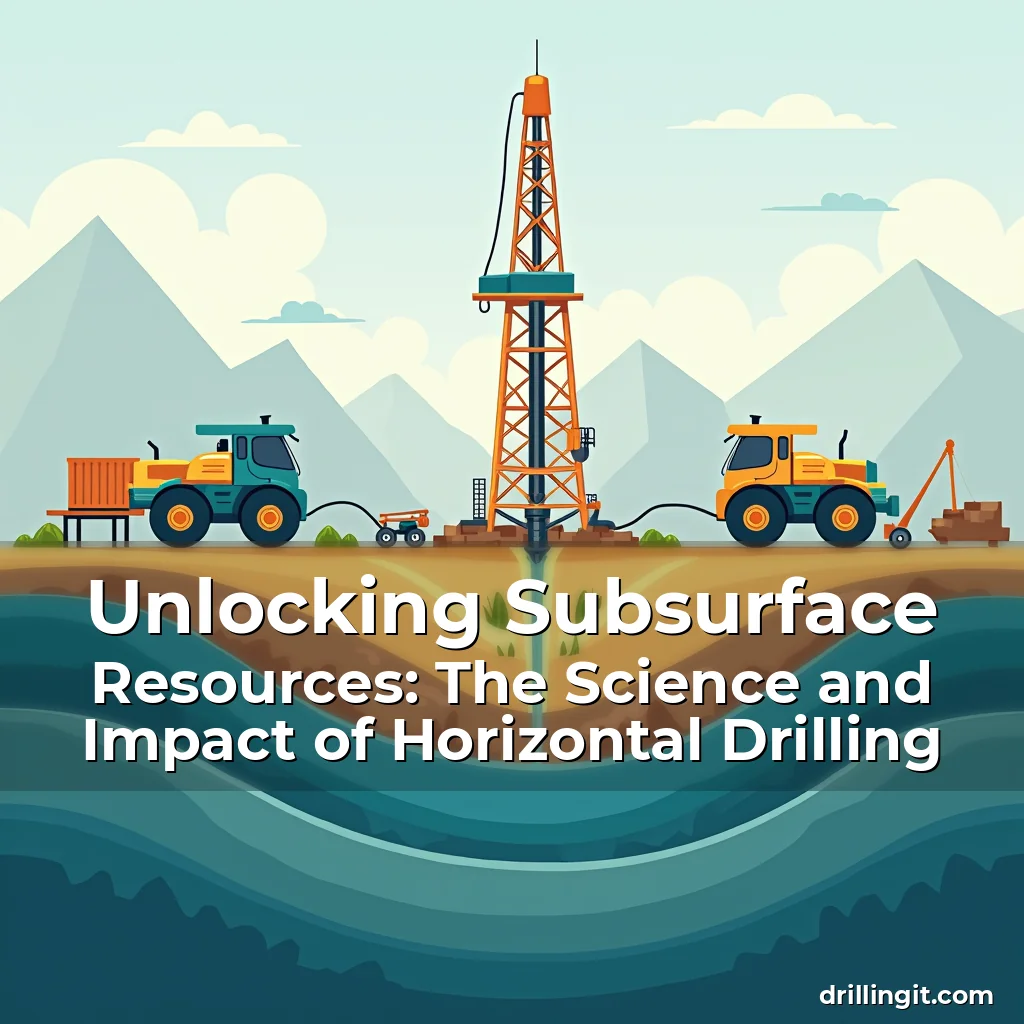
Horizontal drilling has revolutionized modern resource extraction, enabling access to previously unreachable reserves deep beneath Earth’s surface. By extending wellbores horizontally through rock layers, operators maximize exposure to hydrocarbon deposits or aquifers, dramatically improving efficiency and yield.
This technique combines advanced directional control with precision engineering, transforming industries ranging from oil and gas to geothermal energy. Its ability to minimize surface disturbance makes it a cornerstone of sustainable resource development in the 21st century.
The Evolution of Horizontal Drilling Technology
Modern horizontal drilling traces its roots to early 20th-century experiments with deviated wells. However, breakthroughs in downhole motors and measurement-while-drilling (MWD) technology in the 1980s enabled precise steering of boreholes. These innovations laid the foundation for today’s highly sophisticated systems.
Early adopters faced significant challenges, including equipment limitations and unpredictable subsurface conditions. Despite these obstacles, pioneers in Texas and North Dakota demonstrated the method’s viability in unconventional reservoirs like shale formations. Their success sparked global interest and investment in further research.
- MWD Systems: Revolutionized real-time tracking by transmitting data about inclination, azimuth, and formation properties during drilling.
- Dual-Dimensional Steering: Allowed operators to adjust direction mid-borehole, achieving complex geometries once thought impossible.
Ten years later, the integration of computer modeling software transformed horizontal drilling into a predictable process. Engineers could simulate thousands of scenarios to optimize trajectory, reducing costly trial-and-error approaches. This shift marked the transition from experimental practice to standardized operation.
The 2000s saw exponential growth as hydraulic fracturing was combined with horizontal techniques. This synergy unlocked vast reserves trapped in tight rock formations, reshaping global energy markets and redefining exploration strategies worldwide.
Applications Across Industries
Beyond fossil fuels, horizontal drilling serves critical roles in renewable energy sectors. Geothermal projects utilize long lateral bores to tap heat from deep underground, enhancing power generation capacity. Similarly, aquifer recharge efforts benefit from controlled horizontal injection of water resources.
In mining operations, horizontal drilling enables safer extraction of minerals from hazardous environments. By minimizing surface excavation, companies reduce environmental impact while accessing ore bodies traditionally considered inaccessible. This approach also mitigates risks associated with unstable ground conditions.
Water Resource Management: In arid regions, horizontal drilling facilitates efficient irrigation by connecting distant water sources to agricultural fields. Such systems conserve precious resources while maintaining crop productivity in challenging climates.
The construction industry employs this technique for tunneling and foundation work, particularly in urban areas where space constraints limit conventional methods. Precise horizontal boring allows infrastructure expansion without disrupting existing structures aboveground.
Technical Aspects and Equipment Used
A typical horizontal drilling setup includes specialized components designed for extended reach and accuracy. Downhole motors powered by mud flow drive rotary steerable systems that maintain desired trajectories. These devices operate continuously even when the drill string rotates, ensuring consistent progress.
Sensors embedded in bottom-hole assemblies provide continuous feedback on pressure differentials, torque levels, and formation characteristics. Real-time telemetry links this data to surface monitoring stations, allowing immediate adjustments to drilling parameters. This responsiveness minimizes deviations and optimizes bit performance.
Drill bits tailored for horizontal applications feature enhanced cutting elements capable of handling abrasive materials encountered in extended reaches. Diamond impregnated bits excel in hard rock formations, while polycrystalline diamond compact (PDC) variants perform better in softer strata.
Casing placement follows strict protocols to prevent collapse during long lateral extensions. Cementing operations reinforce weak zones, protecting the integrity of both the wellbore and surrounding formations. Advanced cement formulations now enable selective zonal isolation for multi-layered targets.
Environmental Impact Assessment
While horizontal drilling offers advantages over conventional methods, careful evaluation of ecological effects remains essential. Reduced land footprint compared to vertical rigs presents clear benefits, yet potential impacts on local ecosystems warrant thorough investigation. Regulatory agencies mandate baseline environmental assessments prior to initiation.
Hydraulic fracturing associated with many horizontal operations raises concerns regarding freshwater consumption and chemical usage. Operators implement closed-loop recycling systems to mitigate water strain on regional supplies. Stringent guidelines govern disposal of produced fluids to avoid contaminating groundwater sources.
Ecosystem Protection Measures: Buffer zones established around sensitive habitats help safeguard wildlife corridors and breeding grounds. Monitoring programs track changes in biodiversity indicators, ensuring interventions remain effective against unintended consequences.
Carbon capture initiatives linked to horizontal drilling demonstrate promise in offsetting emissions. Enhanced oil recovery (EOR) techniques inject CO₂ into depleted reservoirs, sequestering greenhouse gases while simultaneously boosting production rates.
Safety Considerations in Operations
Rigorous safety protocols guide every phase of horizontal drilling activities. Personnel undergo extensive training covering emergency response procedures, hazard recognition, and safe equipment handling. Regular drills prepare teams for unexpected situations that may arise during fieldwork.
Vibration analysis tools monitor machinery health to predict component failures before they occur. Predictive maintenance schedules based on sensor readings significantly lower risk factors associated with mechanical breakdowns. These proactive measures enhance overall operational reliability.
Hazard Mitigation Strategies: Blast shields protect workers from flying debris during high-pressure operations. Air quality monitors detect harmful gas leaks promptly, triggering alarms that initiate evacuation procedures when necessary.
Remote-controlled inspection drones conduct routine checks inside completed tunnels or pipelines, identifying corrosion spots or structural weaknesses that might compromise stability. Early detection prevents catastrophic incidents that could endanger lives and damage infrastructure.
Economic Implications and Industry Growth
The adoption of horizontal drilling has stimulated substantial economic activity across various sectors. Job creation spans from remote locations where rigs are deployed to centralized processing facilities where extracted resources get refined. Local economies often experience revitalization due to increased tax revenues and business opportunities.
Technological advances continue driving down costs per barrel, making formerly uneconomical reserves viable options. Automation reduces labor expenses while increasing throughput capacities. Innovations in materials science contribute to longer-lasting equipment that requires less frequent replacement.
Global Market Trends: Emerging markets show particular enthusiasm for horizontal drilling solutions, leveraging their expertise to unlock untapped natural wealth. International partnerships facilitate knowledge transfer, accelerating skill acquisition among developing nations’ workforce.
Investment flows reflect growing confidence in the sector’s profitability. Venture capital firms increasingly fund startups focused on optimizing drilling algorithms or improving fracturing efficiency. Stock exchanges see rising valuations for companies pioneering novel applications of horizontal drilling methodologies.
Challenges Facing Modern Implementation
Despite numerous advantages, practitioners encounter persistent challenges limiting wider implementation. Navigational accuracy becomes harder as boreholes extend deeper underground, encountering unforeseen geological complexities along the way. Maintaining tool orientation amidst turbulent pressures poses ongoing technical hurdles.
Regulatory frameworks vary widely between jurisdictions, complicating cross-border operations. Harmonizing standards ensures consistency in safety measures and environmental protections while respecting cultural sensitivities toward indigenous lands. Legal disputes occasionally delay project timelines significantly.
Public Perception Issues: Misinformation about seismic risks or alleged health hazards sometimes leads to opposition from communities near proposed sites. Transparent communication strategies involving stakeholder engagement help build trust and address legitimate concerns systematically.
Climate change introduces new variables affecting subsurface conditions. Rising temperatures alter fluid behaviors within porous media, requiring recalibrated models for predicting reservoir responses accurately. Adaptability remains vital for sustaining successful outcomes amid evolving external influences.
Innovations Shaping Future Prospects
Research focuses heavily on artificial intelligence integration to refine decision-making processes during drilling campaigns. Machine learning algorithms analyze vast datasets to forecast optimal paths through heterogeneous formations dynamically adjusting parameters in real-time enhances productivity metrics substantially.
Nanotechnology promises breakthroughs in material durability and friction reduction within drilling systems. Coatings applied via atomic layer deposition increase resistance against wear caused by prolonged contact with aggressive substances found naturally occurring within targeted depths.
Robotics Advancements: Autonomous robots equipped with tactile sensors navigate confined spaces efficiently performing tasks previously reliant on human intervention safely eliminating exposure dangers inherent in hazardous environments.
Blockchain implementations streamline supply chain logistics ensuring traceability of raw materials used throughout manufacturing cycles thereby promoting transparency which strengthens consumer confidence in products derived from responsibly managed sources.
Conclusion
Horizontal drilling stands as a testament to human ingenuity in unlocking Earth’s hidden resources sustainably. Through continuous innovation and responsible stewardship, this transformative technology continues shaping our energy landscape positively impacting millions globally.
As we look ahead, embracing emerging technologies while upholding ethical standards will determine whether horizontal drilling fulfills its potential as a force for good. Stakeholders across disciplines must collaborate closely to ensure continued progress aligns with broader societal goals concerning sustainability and resilience.