Advanced Oil Rig Operations Techniques and Methods
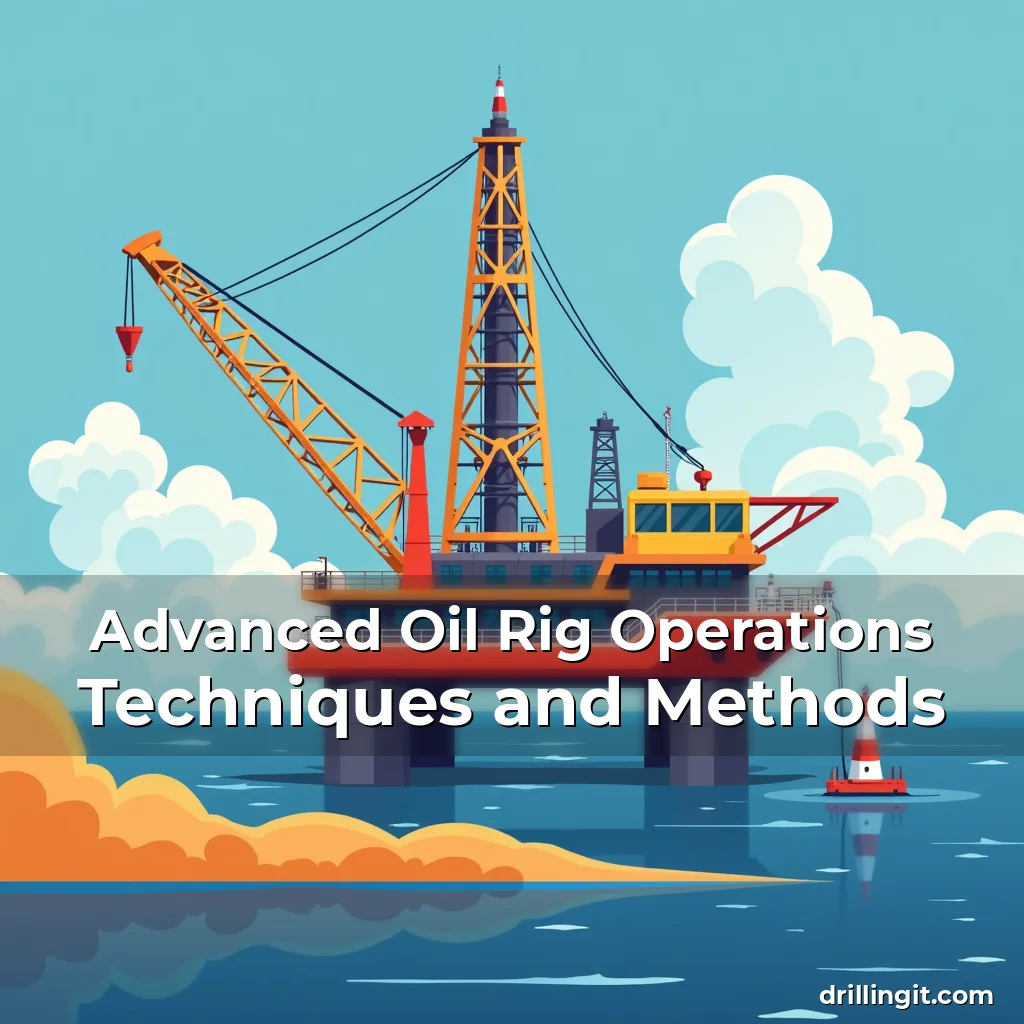
The Inner Workings of Modern Offshore Oil Rigs: A Deep Dive into Drilling Operations
In the vast expanse of the world’s oceans, oil rigs stand as towering symbols of human ingenuity and energy production. These massive structures are not merely platforms; they are complex ecosystems where geology meets engineering, and precision drives productivity. From exploration to extraction, every phase is meticulously orchestrated.
Modern offshore oil rigs operate under extreme conditions, balancing technological advancement with environmental responsibility. Their operations influence global markets, local economies, and ecological systems alike, making them pivotal components of the energy landscape.
Understanding the Anatomy of an Oil Rig
An oil rig consists of several key structural elements that work in unison to extract hydrocarbons from beneath the ocean floor. The platform itself serves as the foundation, housing essential equipment and personnel.
Beneath the platform lies the substructure, which includes piles driven deep into the seabed for stability. This structure must withstand harsh weather and strong currents without compromising safety or operational efficiency.
- Drill Floor: The central hub where drillers perform critical tasks such as tripping pipe, maintaining pressure control, and monitoring well integrity.
- Derrick: A tall steel frame used to hoist and lower drilling equipment safely above the wellbore.
The derrick plays a vital role in lifting heavy loads during drilling operations. Its design allows for precise movement and positioning of tools necessary for successful drilling campaigns.
Mechanical systems within the rig include blowout preventers (BOPs) and mud circulation units. BOPs act as emergency valves to seal off the well in case of unexpected surges or leaks.
The Lifecycle of an Oil Well
The lifecycle begins with geological surveys using seismic data to identify potential reservoirs. Once viable sites are located, exploratory wells are drilled to confirm presence and assess recoverable reserves.
Following confirmation, development wells are constructed to tap into identified reservoirs efficiently. These wells require specialized casing designs and completion techniques tailored to maximize yield while minimizing risks.
Exploration Phase
Seismic imaging technology has revolutionized how we locate underground resources. By sending sound waves through rock layers, scientists can map subsurface formations accurately. This process helps pinpoint areas rich in oil and gas deposits.
Data collected during seismic surveys informs decisions regarding location selection and resource estimation. Advanced software analyzes wave patterns to generate three-dimensional models of subsurface structures.
Development Phase
Once target zones have been identified, directional drilling techniques allow operators to reach desired depths with greater accuracy than traditional vertical methods ever could achieve.
Horizontal drilling extends access across larger portions of a reservoir by allowing rigs to steer laterally through porous rock formations containing trapped hydrocarbons.
Critical Components Involved in Drilling Operations
Effective drilling relies heavily on advanced machinery designed specifically for high-pressure environments found deep below sea level. Among these components, rotary tables play crucial roles in turning drill bits at great speeds.
Rotary tables transfer rotational force from the surface down through various joints connected via kelly bushings and other mechanisms ensuring smooth operation even when dealing with challenging terrain features.
- Top Drive Systems: Replacing older rotary table setups, top drives provide better torque capabilities while reducing wear on both equipment and personnel involved in manual labor aspects related to rotating pipes.
- Mud Pumps: Essential for circulating drilling fluid known commonly as’mud’ around boreholes continuously removing cuttings created by bit rotation against hard rocks underneath Earth’s crust.
Drilling mud performs multiple functions including cooling down hot parts exposed due to friction caused by spinning bits hitting solid materials present within targeted strata layers.
It also acts as lubricant between moving metal pieces inside pipelines preventing excessive heat buildup leading potentially towards catastrophic failures unless properly managed throughout entire project duration.
Safety Protocols and Emergency Procedures
Ensuring worker safety remains paramount within any oil rig environment regardless of its remote location or depth requirements associated with particular projects undertaken thereon.
Rig crews undergo rigorous training programs covering everything from basic first aid response skills up until handling full-scale emergencies involving fires or explosions occurring unexpectedly near sensitive areas prone to ignition sources being active simultaneously.
- Blowout Prevention Equipment: Installed strategically along pipeline routes connecting different segments comprising overall system architecture facilitates quick isolation actions whenever signs indicate abnormal pressures developing rapidly beyond acceptable limits set forth initially before commencing operations.
- Fire Suppression Systems: Equipped throughout living quarters and engine rooms equipped automatically activates upon detecting smoke levels exceeding predefined thresholds helping contain incidents swiftly thereby safeguarding lives property investment made collectively.
Regular maintenance schedules ensure all safety devices remain functional ready whenever sudden threats emerge threatening either workers’ wellbeing infrastructure integrity concurrently.
Emergency drills simulate real-world scenarios preparing everyone aboard familiarizing themselves thoroughly procedures followed during actual crisis moments requiring immediate action coordination among teams responsible respective duties outlined prior engagement commenced.
Environmental Impact Mitigation Strategies
With increasing awareness surrounding climate change issues affecting planet Earth significantly over past few decades, companies operating within petroleum industry face growing scrutiny concerning environmental stewardship practices adopted throughout their workflows.
To mitigate negative effects resulting from crude oil spills or emissions generated via combustion processes inherent part daily activities carried out consistently worldwide locations hosting similar types installations globally scattered broadly geographically diverse regions.
- Pipeline Integrity Management Programs: Implemented regularly assessing condition status aging conduits transporting extracted commodities securely back toward processing facilities situated closer proximity land masses facilitating easier transportation logistics management efforts required afterwards.
- Spill Response Teams: Trained professionals stationed strategically placed locations capable responding promptly effectively whenever accidents occur unintentionally despite precautions taken beforehand aiming minimize damage extent sustained ecosystems affected nearby vicinity incident happened.
Advanced technologies now enable continuous monitoring utilizing sensors embedded directly inside pipelines transmitting live feeds showing pressure readings temperatures fluctuations indicative possible breaches needing urgent attention addressed swiftly before escalation occurs further complications arise.
These proactive measures contribute substantially towards reducing likelihood occurrences detrimental events harming wildlife habitats communities residing adjacent coastal waters frequently impacted indirectly because of industrial pursuits happening miles away seemingly distant yet interconnected deeply nonetheless.
Economic Considerations in Oil Rig Operations
Oil rig operations represent substantial investments requiring careful financial planning considering capital expenditures involved acquiring constructing deploying necessary apparatuses facilitating effective execution planned missions assigned accordingly.
Fuel costs constitute significant portion overall budget allocated each month depending frequency intensity scale ongoing projects pursued actively seeking opportunities expanding existing portfolios diversifying geographic footprints covered comprehensively enough justify continued presence market place dominated largely fossil fuels currently.
- Labor Costs: Skilled workforce demands premium wages reflecting expertise required navigating intricate challenges posed working hazardous environments subjected unpredictable variables influencing outcomes unpredictably sometimes dangerously.
- Insurance Premiums: High-risk nature occupation necessitates robust insurance coverage protecting stakeholders financially liabilities arising unfortunate mishaps impacting business continuity severely especially instances involving loss life property severe injuries incurred irreparably.
Fluctuating commodity prices pose another challenge requiring strategic hedging strategies managing volatility profits margins maintained reasonably stable range despite external factors fluctuation affecting supply demand dynamics constantly evolving rapidly according recent trends observed recently.
Technological advancements offer cost-saving benefits enabling automation replacing manual interventions reducing downtime enhancing productivity rates achieved subsequently contributing positively bottom lines recorded periodically reviewed annually assessed future projections developed based historical performance metrics analyzed critically.
Trends Shaping Future of Offshore Energy Production
As global demand continues rising alongside concerns mounting regarding sustainability implications linked prolonged reliance non-renewable resources, innovations emerging reshaping paradigms previously accepted norm standard practice prevalent earlier eras characterized primarily conventional approaches focused maximizing output quantities prioritizing economic gains predominantly.
Hybrid solutions combining renewable energy sources integrated seamlessly alongside traditional infrastructures demonstrate promising avenues exploring alternatives fulfilling needs without abandoning progress altogether abruptly halting momentum gained overtime achieving equilibrium beneficial long term perspectives envisioned optimistic outlooks projected ahead.
- Offshore Wind Farms: Utilize same maritime spaces once occupied exclusively petroleum extraction ventures transitioning gradually wind power generation becoming viable competitor offering cleaner electricity options produced sustainably sourced naturally replenished sources unlike finite reserves depletable eventually.
- Carbon Capture Technologies: Aim sequestering greenhouse gases emitted during refining processes storing permanently underground reservoirs preventing atmospheric release mitigating climate change impacts proactively addressing root causes rather passively reacting aftermath consequences suffered afterward.
Automation and AI integration streamline operations improving efficiency decreasing errors committed manually executed routines replaced algorithms executing tasks precisely reliably surpassing human capabilities limitations imposed physically cognitively constrained individuals performing identical functions repetitively day after day enduring physical mental exhaustion inevitable consequence repetitive motions performed tirelessly relentlessly throughout service tenure.
Collaborative research initiatives fostered among academic institutions governmental agencies private sector entities accelerate innovation cycles propelling forward momentum accelerating transition toward greener sustainable methodologies embraced universally sooner rather delayed indefinitely.
Conclusion
Oil rig operations embody a blend of science, technology, and human effort aimed at harnessing natural resources responsibly. As industries evolve, so too do the methods employed to extract and manage these precious commodities.
By embracing new technologies, adhering strictly to safety standards, and valuing environmental preservation, the future of offshore energy production promises to be safer, smarter, and more sustainable than ever before.