Harnessing Earth’s Heat: A Deep Dive Into Modern Geothermal Drilling Techniques
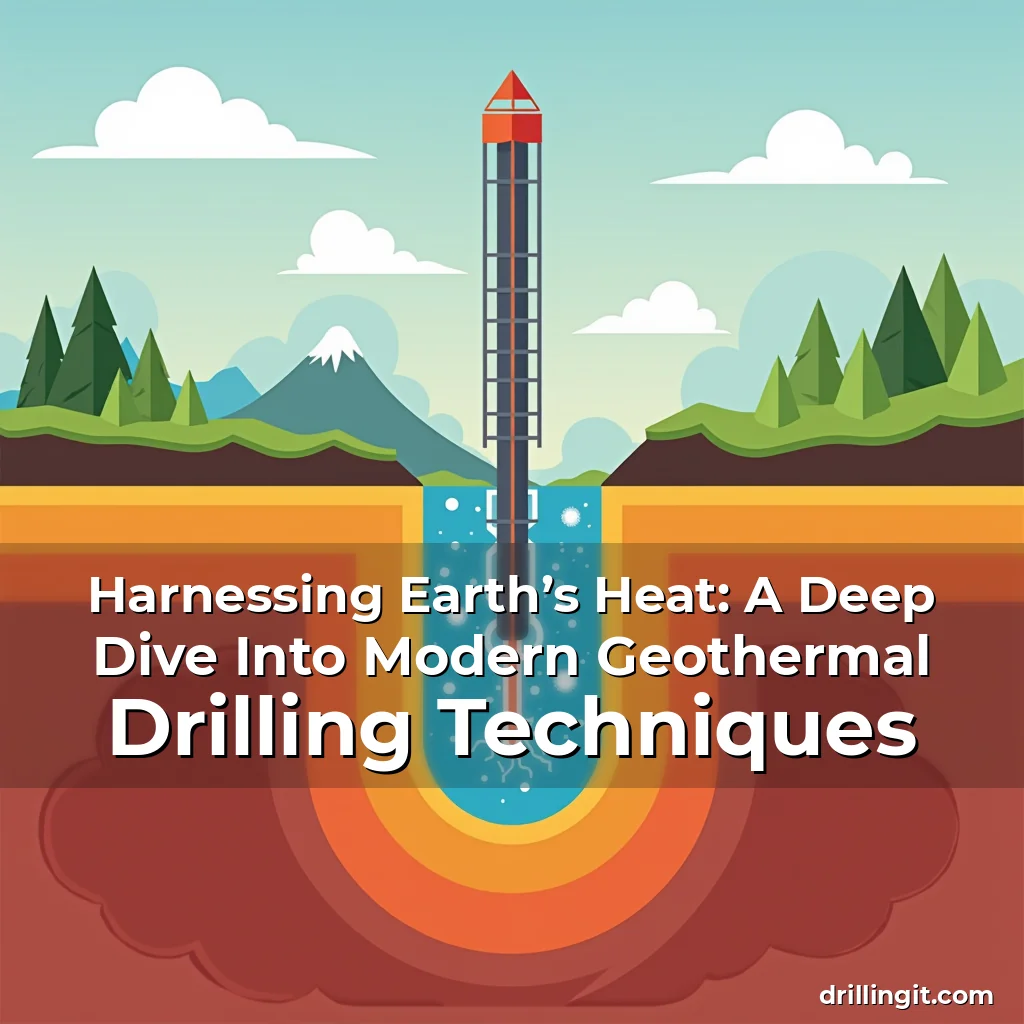
Harnessing Earth’s Heat: A Deep Dive Into Modern Geothermal Drilling Techniques
The quest for sustainable energy has brought geothermal drilling into the spotlight as a powerful yet often overlooked solution. By tapping into the Earth’s internal heat, this method offers a reliable source of power that requires minimal fossil fuels. As global demand for clean energy rises, understanding the intricacies of geothermal drilling becomes increasingly vital.
This article explores the multifaceted world of geothermal drilling, covering everything from foundational principles to cutting-edge technologies. Readers will gain insight into the complexities involved in accessing Earth’s thermal resources safely and efficiently.
Understanding Geothermal Drilling
Geothermal drilling refers to the specialized technique of extracting heat from beneath the Earth’s surface to produce electricity or provide heating solutions. It involves drilling deep wells into geothermal reservoirs where hot water and steam reside, allowing for the harnessing of this natural energy source.
This process is distinct from traditional oil and gas extraction because it focuses on utilizing the planet’s innate thermal properties rather than exploiting finite hydrocarbon reserves. Understanding the geological formations and their characteristics is essential for effective geothermal drilling operations.
- Site Selection: Identifying suitable locations with accessible geothermal resources is critical; factors such as tectonic activity and groundwater availability play significant roles in determining site viability.
- Drill Bit Technology: Specialized drill bits are employed to penetrate hard rock layers encountered during drilling, enabling access to deeper geothermal sources typically beyond conventional drilling depths.
Types of Geothermal Systems
To effectively utilize geothermal energy, various system configurations exist, each tailored to different geographical features and energy demands. These include dry steam plants, flash steam plants, and binary cycle plants, among others.
Dry steam plants operate by capturing steam directly from underground sources, whereas flash steam facilities rely on high-pressure hot water that flashes into steam when released into lower pressure environments. Binary cycle plants use heat from geothermal fluid to warm a secondary liquid with a much lower boiling point, generating electricity through vaporization.
Enhanced Geothermal Systems (EGS)
One innovative approach gaining traction is Enhanced Geothermal Systems (EGS), which allows for the exploitation of geothermal resources in areas lacking sufficient natural permeability or fluid content. This technology involves injecting water into hot dry rock to create fractures that enhance fluid circulation.
The success of EGS hinges on precise engineering techniques aimed at optimizing fracture networks while minimizing environmental impact. With continued research and development, EGS holds immense potential for expanding geothermal energy capabilities far beyond current limitations.
Technological Advancements in Geothermal Drilling
Recent years have witnessed remarkable strides in geothermal drilling technologies, driven largely by the need for improved efficiency and cost-effectiveness. Innovations range from automated drilling rigs to advanced sensor arrays capable of real-time data analysis.
Directional drilling has emerged as a game-changer in geothermal applications, enabling operators to reach target reservoirs with greater precision. This capability reduces exploration costs significantly and increases the likelihood of discovering productive geothermal sites.
Challenges Faced in Geothermal Drilling Operations
Despite its advantages, geothermal drilling presents several challenges that must be addressed for widespread implementation. Issues such as corrosion resistance of equipment, dealing with high salinity waters, and managing seismic activities pose substantial hurdles.
Solving these problems requires ongoing R&D focused on developing robust materials resistant to harsh conditions found in geothermal environments. Additionally, mitigating risks associated with induced seismicity necessitates thorough risk assessments prior to initiating any project.
Economic Viability and Cost Considerations
Assessing the economic feasibility of geothermal projects entails considering upfront capital investments required for infrastructure setup along with operational expenditures incurred throughout a plant’s lifecycle. Initial outlays tend to be higher compared to conventional power generation methods.
However, once established, geothermal facilities offer low operating costs due primarily to negligible fuel expenses. Long-term profitability can further be bolstered through tax credits and subsidies offered by governments promoting renewable energy initiatives.
Environmental Impact Assessment
While geothermal energy stands out for its relatively small carbon footprint, it is imperative to conduct comprehensive environmental impact assessments to fully understand potential repercussions linked to drilling activities. Such evaluations consider effects ranging from habitat disruption to air quality implications.
Implementing best practices concerning waste management and emission control plays a pivotal role in safeguarding ecosystems surrounding geothermal installations. Regular monitoring protocols ensure compliance with stringent regulations governing sustainable development standards.
Fuel Efficiency and Energy Yield Analysis
A critical aspect influencing the attractiveness of geothermal energy lies in its exceptional fuel efficiency metrics coupled with consistent yield outputs relative to other renewables. Unlike solar or wind power whose availability fluctuates according to weather patterns, geothermal provides steady baseload capacity year-round.
Data analyses reveal that modern geothermal plants achieve conversion efficiencies exceeding 90%, surpassing those observed in most coal-fired counterparts. This impressive performance underscores why many countries view transitioning towards geothermal as strategically advantageous.
Risk Management Strategies Within Geothermal Projects
Mitigating financial exposure arising from uncertainties inherent in geothermal ventures demands sophisticated risk management frameworks incorporating diverse analytical models. Factors considered span technical feasibility concerns right through supply chain vulnerabilities affecting material procurement timelines.
Cross-functional teams composed of engineers, economists, and legal experts collaborate closely to devise contingency plans addressing possible disruptions stemming either internally from operational failures or externally from regulatory changes impacting market dynamics adversely.
Future Prospects and Technological Horizon
Looking ahead, emerging technologies poised to redefine geothermal drilling landscapes include nano-scale sensors enhancing predictive maintenance regimes and machine learning algorithms refining well placement decisions substantially improving success rates.
Moreover, integration of blockchain platforms promises transparent tracking mechanisms throughout entire value chains supporting traceability requirements mandated by increasing consumer consciousness regarding ethical sourcing criteria applicable even to indirect suppliers engaged remotely.
Community Engagement and Social Licensing
Securing social license to operate within communities adjacent to proposed geothermal developments mandates proactive engagement strategies fostering mutual trust relationships between developers and residents impacted potentially by construction works undertaken nearby.
Inclusive dialogues focusing on shared benefit distribution schemes ensuring equitable access to opportunities created locally through employment provisions combined with skill enhancement programs represent cornerstones facilitating harmonious coexistence beneficially aligning interests mutually.
Global Case Studies Highlighting Successful Implementations
An examination of internationally recognized geothermal projects reveals compelling narratives illustrating transformative impacts achieved through strategic deployment choices made judiciously respecting ecological sensitivities prevalent regionally.
For instance, Iceland has successfully harnessed volcanic activity situated uniquely close to inhabited regions resulting in extensive utilization scenarios encompassing district heating provision alongside electric grid contributions demonstrating holistic integration successes worthy emulating elsewhere globally.
Conclusion
As explored extensively above, geothermal drilling emerges not merely as alternative energy option but rather integral component comprising broader transition pathways envisioned towards decarbonized futures embracing circular economy paradigms.
Engaging actively within professional circles dedicated specifically advancing knowledge acquisition pertinent geothermal domain ensures individuals remain abreast evolving standards shaping tomorrow’s landscape critically dependent upon informed decision-making grounded solid empirical evidence gathered meticulously over prolonged periods spanning decades ahead.