The Deep Blue Frontier: Unveiling the Complexities and Innovations of Offshore Drilling
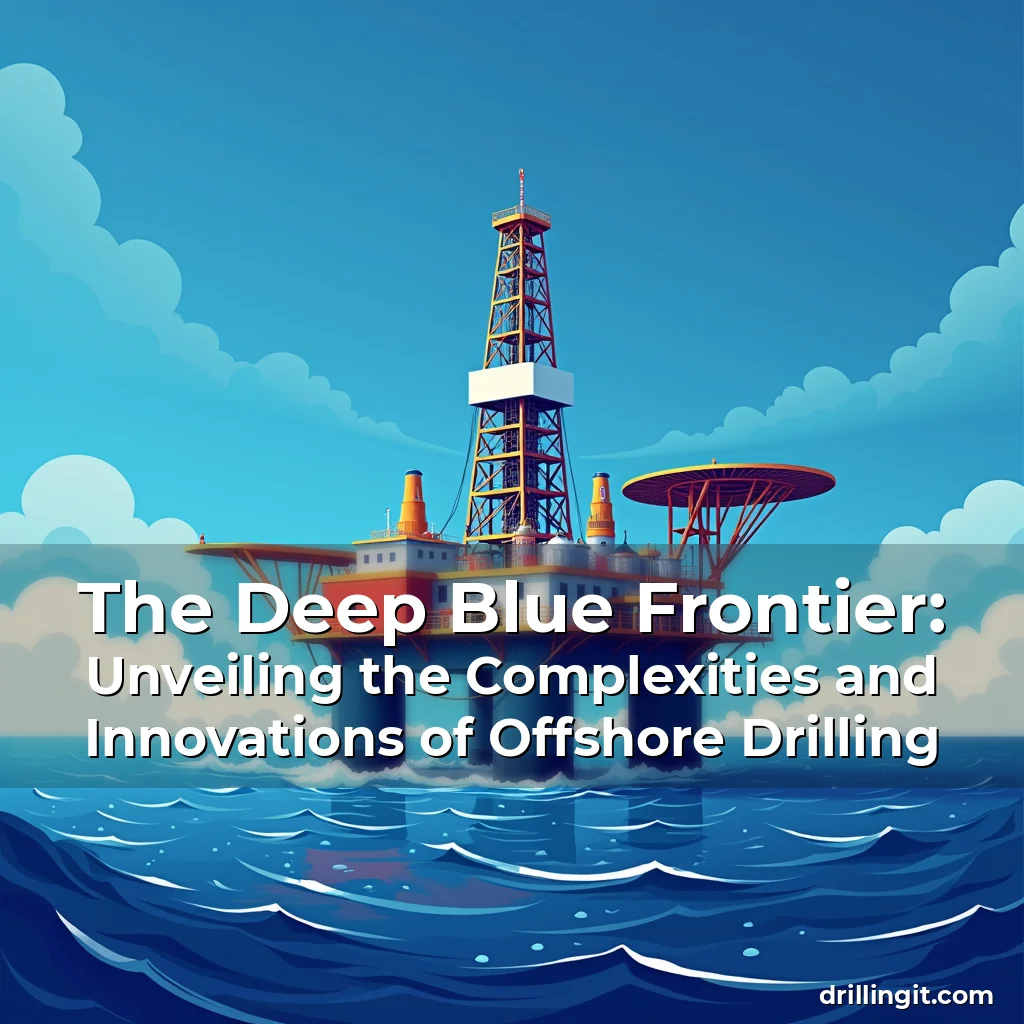
The Deep Blue Frontier: Unveiling the Complexities and Innovations of Offshore Drilling
In an era where energy demands are surging while fossil fuel reserves become increasingly difficult to access, offshore drilling emerges as both a vital necessity and a contentious subject. This practice involves extracting oil and natural gas from beneath the ocean floor, often at depths that challenge engineering capabilities and environmental ethics.
As global populations grow and industrial activity expands, the need for reliable energy sources has never been greater. Offshore drilling plays a crucial role in meeting these needs by tapping into vast underwater reservoirs that remain largely untouched compared to their terrestrial counterparts.
Understanding the Basics of Offshore Drilling Operations
At its core, offshore drilling is the process of exploring and producing hydrocarbons located beneath the seabed. It requires specialized equipment designed to withstand extreme conditions such as high pres
Modern offshore rigs can be categorized based on their mobility and structure. Fixed platforms are anchored permanently to the seafloor, whereas semi-submersible units float atop the water but maintain stability through ballast systems. Jackup rigs, on the other hand, rest on legs that extend down to the seabed when deployed.
- Fixed Platforms: These structures provide stable working environments even during harsh storms due to their deep foundations.
- Semi-Submersibles: Highly versatile, they allow operations in deeper waters than fixed platforms by using buoyancy tanks for balance.
Pioneering Technologies Driving Modern Offshore Exploration
The evolution of technology has significantly transformed how companies approach offshore drilling. Advanced seismic imaging techniques now enable geologists to map subsurface formations with unprecedented accuracy before any physical exploration begins.
Digital twins—an exact digital replica of physical assets—are being used extensively today. They simulate real-time data from actual rigs, allowing engineers to predict failures and optimize performance without risking human safety or costly downtime.
Autonomous Underwater Vehicles (AUVs) in Action
Autonomous Underwater Vehicles have revolutionized surveying activities undersea. Equipped with sonar sensors and cameras, AUVs navigate independently across great distances collecting geological information critical for identifying potential well sites.
These vehicles operate remotely which reduces exposure risks associated with manned submersibles. Their ability to gather continuous data over extended periods makes them invaluable tools in early-stage reconnaissance efforts prior to rig deployment.
Economic Impacts of Offshore Drilling Activities
From creating thousands of jobs within the energy sector itself to stimulating related industries like shipbuilding and logistics, offshore drilling contributes substantially to national economies worldwide.
Governments often benefit economically too; revenue generated from licensing agreements allows investment into public infrastructure projects benefiting entire communities connected indirectly yet importantly through energy supply chains.
Environmental Considerations Surrounding Offshore Projects
While providing essential resources, offshore drilling poses significant ecological challenges including habitat disruption caused by noise pollution and chemical discharges. Marine life suffers particularly from acoustic disturbances linked closely with operational sounds made during extraction processes.
To mitigate these effects, regulatory bodies impose strict guidelines concerning waste management practices along with requirements mandating regular audits ensuring compliance standards are met consistently across different regions globally.
Safety Protocols and Risk Management Strategies
Ensuring worker safety remains paramount among operators engaged in offshore work environments characterized inherently by dangerous elements ranging from explosions risk potentials up through drowning hazards posed primarily by open-sea locations.
Comprehensive training programs covering emergency response scenarios alongside routine maintenance checks form integral parts of daily routines aimed at preventing accidents before they occur rather than merely reacting after incidents take place.
Fuel Efficiency Improvements Through Innovation
Recent advancements focusing specifically upon improving fuel efficiency not only reduce operating costs considerably but also align better environmentally friendly objectives pursued nowadays by many stakeholders involved either directly or indirectly.
Technologies incorporating hybrid propulsion systems demonstrate promising results so far regarding lowering emissions levels dramatically compared traditional diesel engines currently employed predominantly within industry settings today.
Future Outlook for Global Offshore Energy Development
Looking ahead towards future projections indicate continued reliance upon offshore resources despite increasing emphasis placed recently onto renewable alternatives available simultaneously offering cleaner options potentially capable replacing conventional methods eventually.
However technological breakthroughs occurring continuously especially surrounding carbon capture utilization storage solutions may offer pathways enabling coexistence between existing infrastructures developed thus far plus emerging sustainable technologies likely dominating markets sooner than expected timeline anticipates however.
Conclusion
Offshore drilling represents a complex interplay between economic benefits derived from accessing otherwise unreachable energy supplies against environmental concerns raised whenever discussions center around long-term sustainability goals set forth internationally agreed frameworks.
For those contemplating careers within this dynamic field or simply seeking understanding regarding what goes behind scenes making possible daily lives powered efficiently reliably through modern civilization’s dependence upon petroleum products extracted diligently responsibly wherever nature permits doing so safely effectively maintaining equilibrium necessary supporting ongoing development required sustaining progress forward indefinitely.