The Evolution and Innovations in Modern Drill Bit Technology
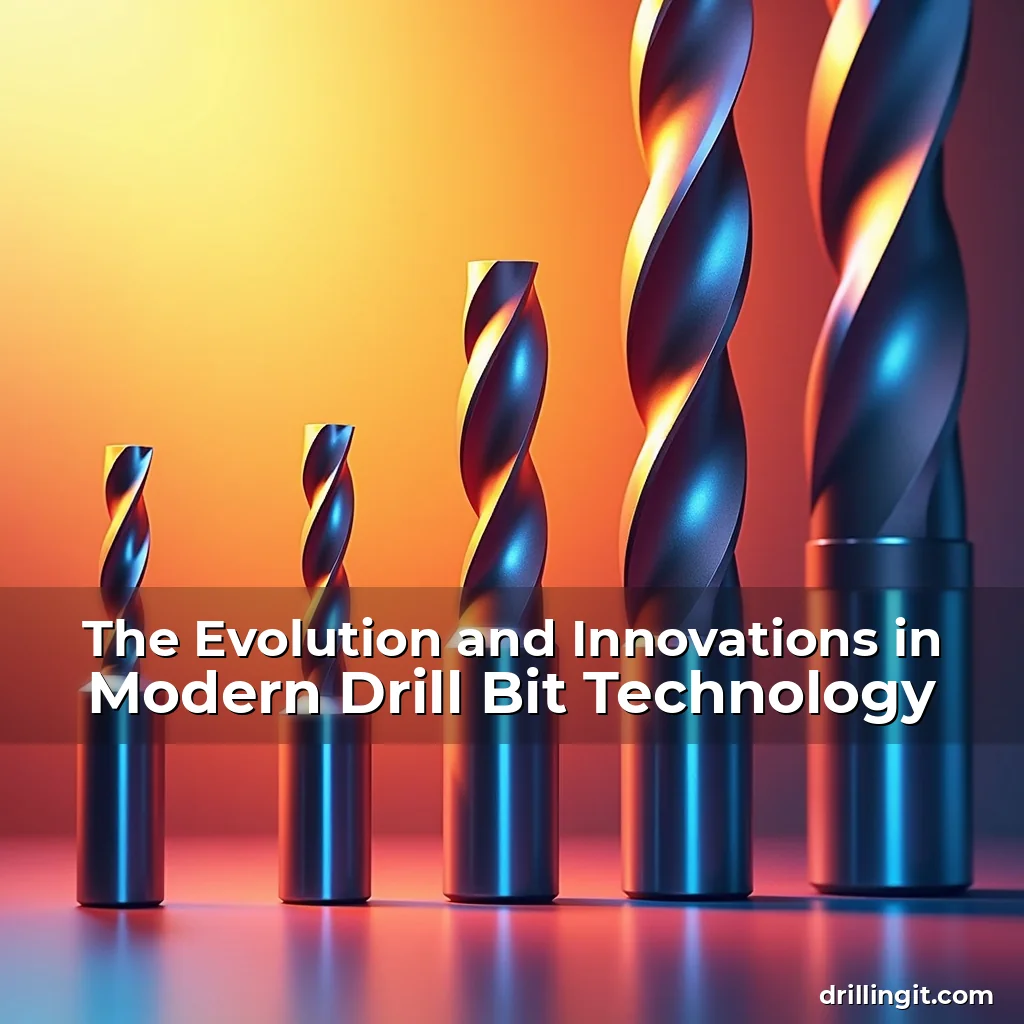
The Evolution and Innovations in Modern Drill Bit Technology
In recent years, drill bit technology has undergone remarkable transformations that have revolutionized industries ranging from construction to oil extraction. These advancements not only enhance efficiency but also significantly reduce operational costs by minimizing wear and tear on equipment.
The integration of advanced materials such as polycrystalline diamond compact (PDC) bits and tungsten carbide inserts has redefined what is possible in terms of performance and durability across various applications. This shift marks a pivotal moment in how we approach drilling operations today.
The Fundamentals of Drill Bits
A drill bit is essentially an essential component used primarily for creating holes through different types of materials including wood, metal, plastic, and concrete. Its design varies greatly depending on the material being drilled and the desired outcome of the operation.
The primary function of any drill bit involves cutting through material efficiently while maintaining structural integrity during use. Different shapes and configurations allow for varying levels of precision and speed when performing tasks.
- Material Compatibility: The choice between high-speed steel (HSS), cobalt alloys, or titanium-coated bits determines which materials can be effectively worked upon without excessive heat generation or premature wear.
- Cutting Geometry: Variations in flute design influence chip removal capabilities; deeper flutes typically offer better clearance for larger chips generated from harder substances.
Advancements in Material Science
The development of new composite materials has played a crucial role in enhancing both longevity and effectiveness of modern drill bits. One notable example includes PDC bits, known for their exceptional resistance against abrasion caused by hard rock formations.
These innovations are driven largely by research aimed at improving thermal stability under extreme conditions often encountered deep within geological layers where temperatures exceed typical operating ranges found at surface level activities.
Impact of Nanotechnology
Nanotechnology has introduced novel ways to reinforce traditional drill bit compositions by embedding nano-scale particles that increase hardness and resilience properties without compromising flexibility required for complex maneuvers inside confined spaces.
This microscopic enhancement allows engineers to create lighter yet stronger tools capable of enduring harsh environments previously deemed unsuitable for conventional designs due to limitations imposed by weight constraints alone.
Different Types of Drill Bits and Their Applications
Selecting the appropriate type of drill bit depends heavily on factors such as target material consistency, desired hole size, depth requirements, and overall project timeline considerations. Understanding these variables helps ensure optimal results every time you engage in drilling activities.
Masonry bits feature specialized tips made from hardened steel designed specifically for penetrating tough surfaces like brickwork or concrete blocks commonly seen around residential areas undergoing renovations or repairs.
Spade bits excel at quickly boring large diameter holes suitable for electrical wiring installations because they utilize flat blades supported by central guides ensuring straightness even when applied manually rather than mechanically guided systems.
Design Considerations for Optimal Performance
When designing effective drill bits, several key aspects must be considered simultaneously to achieve balance between functionality and usability. Factors influencing final product quality include blade geometry along with coating technologies employed post-manufacturing stages.
Coatings such as titanium nitride (TiN) provide enhanced protection against corrosion while simultaneously increasing friction reduction characteristics vital for achieving smoother cuts over extended periods of usage before needing replacement.
Additionally, considering ergonomics becomes increasingly relevant especially among professionals who rely extensively on handheld power tools daily—comfortable grips combined with balanced weight distribution contribute towards reducing user fatigue during prolonged sessions.
Environmental Impact and Sustainability Practices
With growing emphasis placed upon environmental sustainability initiatives globally, manufacturers now prioritize eco-friendly production methods involving recycled components whenever feasible alongside energy-efficient manufacturing processes aimed at lowering carbon footprints associated with mass productions runs.
Some companies actively participate in take-back programs allowing customers to return old drill bits for recycling purposes thereby promoting circular economy models beneficial for resource conservation efforts worldwide.
Moreover, ongoing R&D focuses increasingly toward biodegradable alternatives utilizing plant-based compounds capable of decomposing naturally after reaching end-of-life phase thus mitigating long-term pollution risks posed by non-recyclable metallic residues left behind following disposal procedures.
Trends Shaping Future Developments in Drill Bit Technology
Emerging trends suggest future developments will likely center around smart sensor integrations enabling real-time monitoring capabilities regarding temperature fluctuations, pressure changes occurring internally within boreholes themselves.
Predictive maintenance algorithms could potentially forecast potential failures ahead of actual incidents happening thereby allowing preemptive interventions saving valuable downtime otherwise lost waiting until catastrophic breakdowns occur unexpectedly mid-operation cycles.
Furthermore, additive manufacturing techniques such as 3D printing present exciting possibilities allowing customization tailored precisely according to individual needs specifications rather than relying solely upon pre-existing standard sizes available off-the-shelf options currently dominating marketplaces today.
Conclusion
The evolution of drill bit technology reflects broader technological progressions impacting numerous sectors reliant upon precise mechanical solutions provided by well-engineered cutting instruments.
By staying informed about latest innovations emerging regularly within field, users stand poised benefit immensely from improved efficiencies realized through adoption newer generations superior performing products meeting ever-evolving demands faced contemporary industries encounter routinely nowadays.
“`html
“`
The Evolution and Innovations in Modern Drill Bit Technology
In recent years, drill bit technology has undergone remarkable transformations that have revolutionized industries ranging from construction to oil extraction. These advancements not only enhance efficiency but also significantly reduce operational costs by minimizing wear and tear on equipment.
The integration of advanced materials such as polycrystalline diamond compact (PDC) bits and tungsten carbide inserts has redefined what is possible in terms of performance and durability across various applications. This shift marks a pivotal moment in how we approach drilling operations today.
The Fundamentals of Drill Bits
A drill bit is essentially an essential component used primarily for creating holes through different types of materials including wood, metal, plastic, and concrete. Its design varies greatly depending on the material being drilled and the desired outcome of the operation.
The primary function of any drill bit involves cutting through material efficiently while maintaining structural integrity during use. Different shapes and configurations allow for varying levels of precision and speed when performing tasks.
- Material Compatibility: The choice between high-speed steel (HSS), cobalt alloys, or titanium-coated bits determines which materials can be effectively worked upon without excessive heat generation or premature wear.
- Cutting Geometry: Variations in flute design influence chip removal capabilities; deeper flutes typically offer better clearance for larger chips generated from harder substances.
Advancements in Material Science
The development of new composite materials has played a crucial role in enhancing both longevity and effectiveness of modern drill bits. One notable example includes PDC bits, known for their exceptional resistance against abrasion caused by hard rock formations.
These innovations are driven largely by research aimed at improving thermal stability under extreme conditions often encountered deep within geological layers where temperatures exceed typical operating ranges found at surface level activities.
Impact of Nanotechnology
Nanotechnology has introduced novel ways to reinforce traditional drill bit compositions by embedding nano-scale particles that increase hardness and resilience properties without compromising flexibility required for complex maneuvers inside confined spaces.
This microscopic enhancement allows engineers to create lighter yet stronger tools capable of enduring harsh environments previously deemed unsuitable for conventional designs due to limitations imposed by weight constraints alone.
Different Types of Drill Bits and Their Applications
Selecting the appropriate type of drill bit depends heavily on factors such as target material consistency, desired hole size, depth requirements, and overall project timeline considerations. Understanding these variables helps ensure optimal results every time you engage in drilling activities.
Masonry bits feature specialized tips made from hardened steel designed specifically for penetrating tough surfaces like brickwork or concrete blocks commonly seen around residential areas undergoing renovations or repairs.
Spade bits excel at quickly boring large diameter holes suitable for electrical wiring installations because they utilize flat blades supported by central guides ensuring straightness even when applied manually rather than mechanically guided systems.
Design Considerations for Optimal Performance
When designing effective drill bits, several key aspects must be considered simultaneously to achieve balance between functionality and usability. Factors influencing final product quality include blade geometry along with coating technologies employed post-manufacturing stages.
Coatings such as titanium nitride (TiN) provide enhanced protection against corrosion while simultaneously increasing friction reduction characteristics vital for achieving smoother cuts over extended periods of usage before needing replacement.
Additionally, considering ergonomics becomes increasingly relevant especially among professionals who rely extensively on handheld power tools daily—comfortable grips combined with balanced weight distribution contribute towards reducing user fatigue during prolonged sessions.
Environmental Impact and Sustainability Practices
With growing emphasis placed upon environmental sustainability initiatives globally, manufacturers now prioritize eco-friendly production methods involving recycled components whenever feasible alongside energy-efficient manufacturing processes aimed at lowering carbon footprints associated with mass productions runs.
Some companies actively participate in take-back programs allowing customers to return old drill bits for recycling purposes thereby promoting circular economy models beneficial for resource conservation efforts worldwide.
Moreover, ongoing R&D focuses increasingly toward biodegradable alternatives utilizing plant-based compounds capable of decomposing naturally after reaching end-of-life phase thus mitigating long-term pollution risks posed by non-recyclable metallic residues left behind following disposal procedures.
Trends Shaping Future Developments in Drill Bit Technology
Emerging trends suggest future developments will likely center around smart sensor integrations enabling real-time monitoring capabilities regarding temperature fluctuations, pressure changes occurring internally within boreholes themselves.
Predictive maintenance algorithms could potentially forecast potential failures ahead of actual incidents happening thereby allowing preemptive interventions saving valuable downtime otherwise lost waiting until catastrophic breakdowns occur unexpectedly mid-operation cycles.
Furthermore, additive manufacturing techniques such as 3D printing present exciting possibilities allowing customization tailored precisely according to individual needs specifications rather than relying solely upon pre-existing standard sizes available off-the-shelf options currently dominating marketplaces today.
Conclusion
The evolution of drill bit technology reflects broader technological progressions impacting numerous sectors reliant upon precise mechanical solutions provided by well-engineered cutting instruments.
By staying informed about latest innovations emerging regularly within field, users stand poised benefit immensely from improved efficiencies realized through adoption newer generations superior performing products meeting ever-evolving demands faced contemporary industries encounter routinely nowadays.
“`