The Science Behind Exploratory Drilling: Unlocking Earth’s Hidden Resources
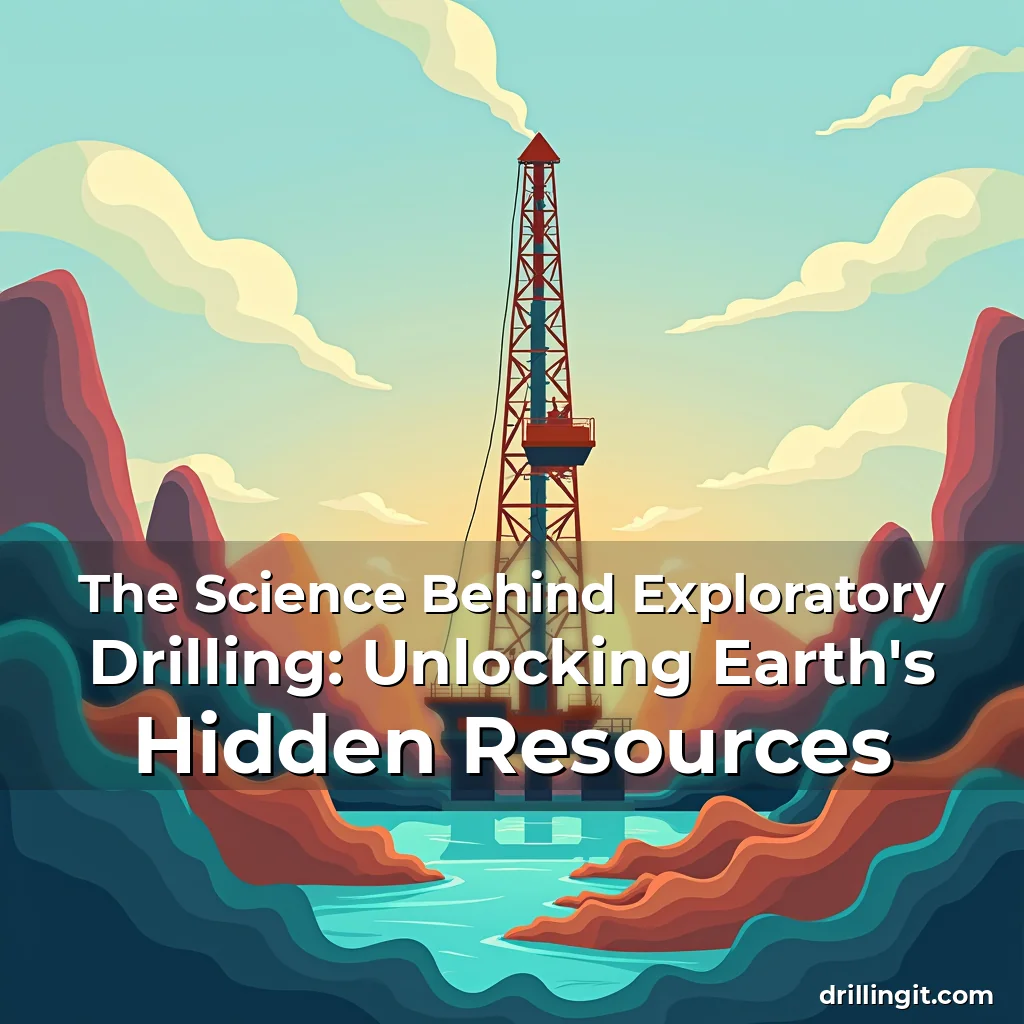
In an era where energy demands are skyrocketing and environmental consciousness is at its peak, exploratory drilling emerges as both a crucial and contentious practice. This process involves penetrating deep beneath the Earth’s crust to uncover potential reserves of oil, gas, and other minerals that lie hidden from view.
From ancient civilizations using rudimentary techniques to modern technological marvels capable of reaching depths exceeding ten thousand meters, exploratory drilling has evolved significantly over time. It remains pivotal for global industries seeking sustainable sources while grappling with ecological concerns.
Understanding the Basics of Exploratory Drilling
At its core, exploratory drilling aims to determine whether economically viable quantities of hydrocarbons exist underground. Geologists employ various methods including seismic surveys and well logs to gather data before initiating actual drilling operations.
This initial phase requires meticulous planning due to high costs involved; even minor miscalculations can lead to significant financial losses or environmental damage. The success rate varies depending on geological formations being targeted.
- Seismic Surveys: These use sound waves generated by controlled explosions or vibrating plates to create images of subsurface structures.
- Well Logs: Detailed records obtained during drilling provide information about rock layers encountered along the borehole path.
The Technology Driving Modern Exploration
Advanced technologies have revolutionized how we conduct exploratory drills today. Innovations such as directional drilling allow operators to reach reservoirs located far from surface locations without requiring new rigs or land acquisitions.
Furthermore, real-time monitoring systems enable engineers to adjust parameters dynamically based on feedback received from sensors embedded within drill bits themselves. Such adaptability enhances safety measures considerably.
A key advancement lies in the integration of artificial intelligence algorithms which analyze vast datasets quickly identifying patterns indicative of promising sites worth further investigation.
Digital Transformation in Resource Detection
Data analytics platforms now process millions of readings simultaneously providing insights previously unattainable through traditional means alone. For instance, predictive modeling helps forecast production rates accurately reducing uncertainty associated with extraction timelines.
Cloud computing facilitates remote access allowing teams across different continents collaborate seamlessly ensuring continuous progress regardless geographical barriers faced during project execution phases.
Economic Implications of Successful Exploration
Successful discovery of resources through effective exploration efforts translates directly into economic growth opportunities for nations fortunate enough to possess them. Countries richly endowed with untapped deposits stand poised gain substantial revenue streams via exports.
However, these benefits come hand-in-hand with responsibilities towards responsible management practices aimed minimizing negative impacts upon local ecosystems surrounding operational areas under consideration.
Governments often establish regulatory frameworks designed protecting public interests while encouraging private sector participation thereby creating balanced approaches between development goals versus conservation priorities.
Environmental Considerations & Mitigation Strategies
While essential for meeting current energy needs, conventional forms of exploratory drilling pose considerable risks regarding pollution levels affecting air quality groundwater contamination issues etcetera. Therefore implementing robust mitigation strategies becomes imperative.
Techniques like closed-loop systems prevent fluid leakage whereas reclamation projects restore landscapes post-operation thus addressing long-term sustainability challenges effectively. Adoption of cleaner alternatives whenever feasible represents another proactive step forward.
Investment in research focusing greener methodologies promises future generations benefitting immensely from reduced carbon footprints achieved through innovative solutions emerging constantly within scientific communities globally.
Sustainable Practices in Contemporary Operations
Companies increasingly adopting ISO 14001 standards demonstrate commitment environmental stewardship. These guidelines help organizations manage their activities efficiently ensuring minimal waste generation throughout lifecycle stages related resource exploitation processes.
Moreover utilization biodegradable fluids instead synthetic ones contributes positively toward ecosystem preservation efforts undertaken simultaneously alongside commercial ventures pursued relentlessly worldwide.
Risk Management Frameworks in Drill Projects
Given inherent uncertainties tied drilling endeavors thorough risk assessment protocols become non-negotiable components every successful operation plan. Identifying potential hazards early allows appropriate countermeasures implementation prior incidents occur.
Risks range mechanical failures equipment breakdowns human errors natural disasters each demanding tailored response mechanisms customized according individual scenario characteristics encountered field conditions prevailing moment.
Insurance policies specifically crafted coverages against liabilities arising unforeseen circumstances provide additional layer security reassuring stakeholders investments protected adequately.
Cultural Impact and Community Engagement
Communities residing near proposed drill sites frequently experience profound changes impacting daily lives infrastructure availability employment prospects amongst others factors influencing social dynamics overall region affected.
Engaging locals transparent dialogue fostering mutual understanding proves vital maintaining harmonious relationships beneficial everyone involved particularly indigenous populations whose ancestral lands might be subjected intrusive procedures conducted without consent could provoke serious disputes legally politically socially complex situations.
Corporate Social Responsibility initiatives often accompany large scale enterprises aiming build trust among residents demonstrating genuine concern welfare wellbeing those living vicinity operations planned executed accordingly ethical considerations paramount importance throughout entire engagement spectrum.
Futuristic Trends Shaping Future Exploration Efforts
Ongoing advancements continue reshaping landscape exploratory drilling continuously pushing boundaries beyond existing capabilities. Emerging trends suggest greater emphasis placed automation robotics AI driven decision making tools enhancing precision accuracy efficiency measurements taken regularly throughout course operations.
Use nanotechnology offers exciting possibilities enabling microscale analyses detect anomalies minute quantities substances otherwise difficult identify manually laboriously tedious tasks requiring specialized expertise normally restricted few experts possessing requisite knowledge skillsets required perform successfully.
As digital twin technology matures replicating physical environments virtually permits testing scenarios safely predicting outcomes beforehand eliminating need costly trial error approaches traditionally relied upon achieve desired results consistently reliably manner acceptable industry standards maintained strictly adhered.
Conclusion
Exploratory drilling stands at intersection innovation necessity shaping tomorrow’s energy landscape profoundly influenced decisions made today concerning available technologies employed responsibly managing natural endowments entrusted custodianship future inhabitants planet Earth.
By embracing cutting-edge solutions coupled rigorous oversight ensuring equitable distribution proceeds derived discoveries ultimately pave way sustainable coexistence humankind nature fulfilling dual objectives securing prosperity preserving ecological integrity concurrently.