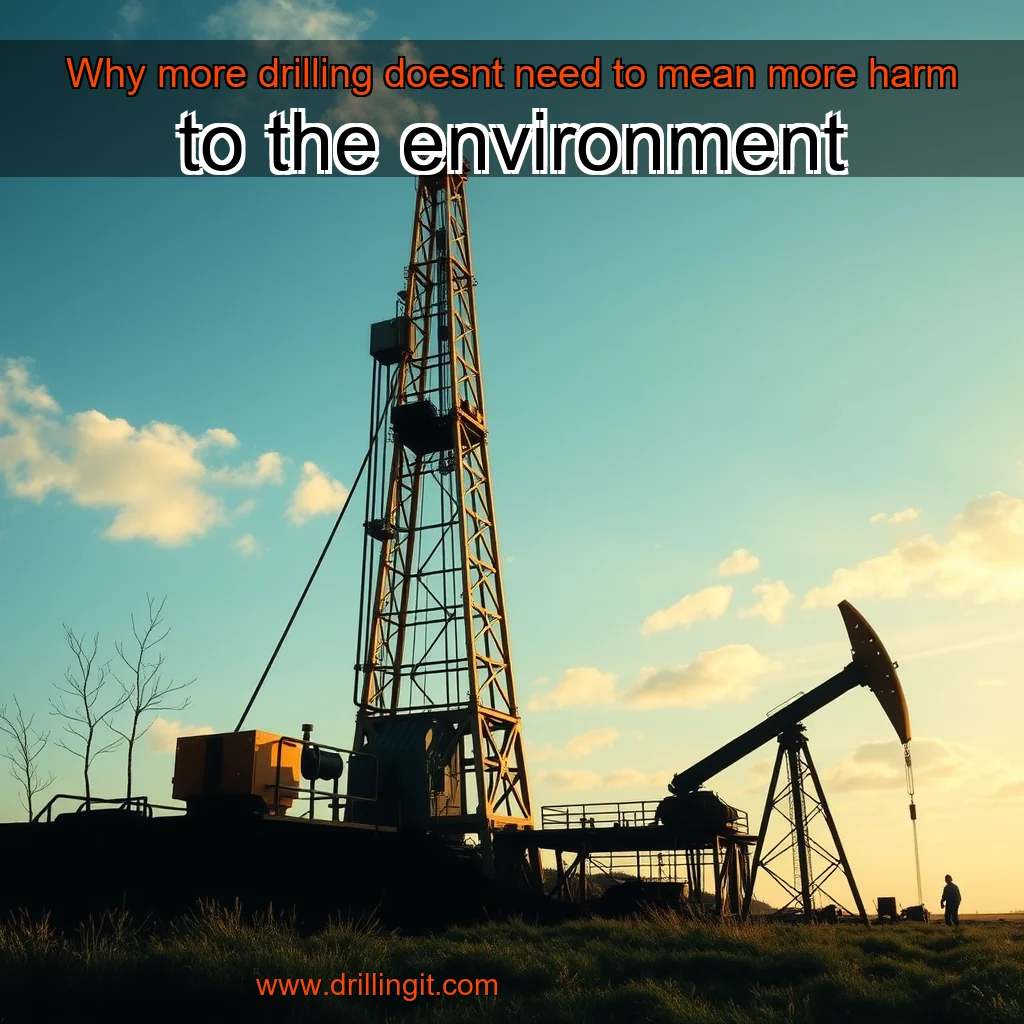
Why more drilling doesnt need to mean more harm to the environment
The goal is to ensure that the transition to a low-carbon economy is not only sustainable but also equitable.
The Context
The US has set ambitious targets to reduce greenhouse gas emissions and transition to a low-carbon economy. The Paris Agreement, signed by the US in 2015, aims to limit global warming to well below 2°C and pursue efforts to limit it to 1.5°C above pre-industrial levels. However, the Trump administration has been criticized for its stance on climate change, with the president himself calling it a “hoax.”
The Problem with the Current Approach
The Trump administration’s energy policy is focused on increasing domestic oil and gas production, which would lead to increased greenhouse gas emissions. This approach is not only at odds with the US’s climate goals but also with the principles of sustainability and equity.
Federal Lands and Waters: A Protected Environment
The US government has a significant role in regulating and managing federal lands and waters, which cover approximately 640 million acres. This includes national parks, forests, wildlife refuges, and other protected areas. The government’s control over these lands is crucial in maintaining the delicate balance of the environment. Key laws that protect federal lands and waters include:
- The Clean Air Act (1963)
- The Safe Drinking Water Act (1974)
- The Endangered Species Act (1973)
- The National Environmental Policy Act (1969)
- The federal government has the authority to issue leases for oil and gas development on the outer continental shelf. The government sets regulations and guidelines for the development of these resources. The OCSLA also provides for the protection of marine ecosystems and wildlife habitats.
The Executive Order: A Mixed Bag
The executive order, issued by President Trump, aims to increase energy production on federal lands and waters. The order encourages the development of oil and gas resources, as well as renewable energy sources like wind and solar power. However, critics argue that the order prioritizes fossil fuels over clean energy, which could have negative environmental consequences.
Environmental Concerns
Environmental groups have already begun to speak out against the executive order. They argue that drilling on federal lands and waters could lead to increased greenhouse gas emissions, habitat destruction, and water pollution.
States’ Autonomy in Environmental Protection Through Tailored Regulatory Frameworks.
The Importance of State Regulatory Frameworks in Environmental Protection
Understanding the Role of States in Environmental Protection
States play a crucial role in environmental protection, and their regulatory frameworks are essential in ensuring the well-being of both the environment and the public. While the federal government has a significant impact on environmental policies, states have the autonomy to create and enforce their own regulations. This autonomy allows states to tailor their environmental policies to their unique needs and circumstances.
The Benefits of State Regulatory Frameworks
States have several benefits when it comes to regulatory frameworks. For one, they can:
- Develop policies that are specific to their region, taking into account local conditions and concerns. Create regulations that are more stringent than federal standards, providing an added layer of protection for the environment. Foster a sense of community and ownership among residents, who are more invested in environmental protection when they have a direct say in the regulations that affect their lives. ### Collaborating with Independent Groups*
Collaborating with Independent Groups
Independent groups, such as the Interstate Oil and Gas Compact Commission, can also play a vital role in supporting state regulatory frameworks. These organizations can provide expertise, resources, and guidance to help states develop and implement effective environmental regulations.
Examples of Successful State Regulatory Frameworks
Several states have successfully implemented their own regulatory frameworks, resulting in significant environmental benefits.
These laws aim to preserve the natural resources and ecosystems within these protected areas, ensuring the long-term health and sustainability of the environment.
The Role of the US Government in Oil and Gas Development
The US government has a limited role in regulating oil and gas development on federal lands and waters. However, the government does have control over the development of these resources. The Outer Continental Shelf Lands Act (OCSLA) of 1953 grants the federal government the authority to regulate and manage the development of oil and gas resources on the outer continental shelf. Key aspects of the OCSLA include: